


Secondhand Grain Drier Buying Guide
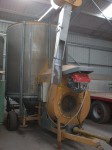 Continuing poor weather is putting the focus onto farms grain drying facilities for the coming harvest. The logical stop-gap measure tends to be to dip into the secondhand grain drier market. Below is a checklist to help you get a machine that will do your job at the right money. The checklist is not exhaustive but covers the main issues, most of which is really just common sense.
Before getting close up to the machine, on first impressions, what condition does the grain drier appear to be in? Is it stored inside or outside? Is it clean or mucky? Has someone driven the telescopic over the loading hopper?
The critical areas to inspect on a secondhand grain drier include:
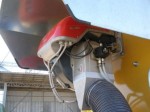
1. Control panel and burner – What general condition are these key components in? Check for water and dust ingress, on-farm alterations and modifications. Are these the original components? There is little reason for the control panel and burner to be damaged, they should always be in good condition regardless of the grain driers age. If it has an oil burner, pull it out, see if it is clean and well maintained. These two components must be in good order as they are an integral part of the grain drier and both can be complicated and time consuming to repair.
 2. Central tube and auger – Check the entire length of the central tube for wear, holes and old repairs. Check the central auger flights for wear, the thickness of the flights generally dictate the serviceable life left in them. Both the tube and auger wear most in areas of turbulent grain flow, so check at the bottom of the central auger and at the junction between the top and bottom augers. These components are the most hardworking on the machine and can be tricky to replace at short notice.
3. Ancillary equipment – The best indication of how well a gearbox has been maintained is to check the oil, is it new or old? Also, look for any play on the input shaft. If it is belt driven what condition are the belts in and are they going to get you through the upcoming work? Check the scraper system is properly aligned and the drive chain and support bearings are in good condition. The chain should be supple with a little flex, again, replacing these components is generally quite straight forward if necessary.
Finally, when buying off-farm always ask to see the drier running and the burner lit up before making any commitments. At this stage in the year you want to know that your drier is ready to go. If buying a grain drier that you will be expecting to do work on, make sure you know where to source spare parts otherwise this could be a major headache.
Transport to a new site is the final factor that could significantly impact the price of the machine. The height and width of some grain driers may warrant specialist haulage and some driers may be subject to highway restictions. Neglecting to investigate transport properly could land you with an unexpectedly hefty bill.
This should cover the key issues relating to buying a secondhand grain drier. Using this as a guide should help you find a machine in good condition and avoid any unexpected bills.
To receive email updates on new blog content just click here
10 July 2012 John McArthur News Tags: Buying a grain drier, Secondhand grain driers, Seedarbuying guide