



Avoid deductions; secure the premiums
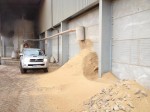 A feature of this year’s harvest has been low bushel weights recorded in wheat and barley. Wheat is commonly recording levels between 63 – 68kg/hal. Although merchants buy in tonnes and get their deliveries recorded in tonnes, it is normal practice for money to be deducted from the tonne price when the bushel weight of the sample falls below a certain level. Wheat is normally traded at 74kg/hal as the specified standard. Interestingly, if you produce a sample of very high bushel weight, you will not receive a bonus.
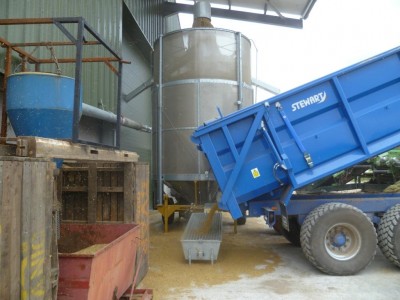
So, what can be done to minimise bushel weight deductions? The simple answer is dry your grain with a Seedargrain drier. The act of drying grain increases the bushel weight, but in a Seedardrier you have the possibility to further enhance your bushel weight improvement in three other ways. First the polishing effect due to continuous movement of grain in the drier. Secondly, by use of a cleaner screen attached to the central auger of the drier, through which small grains, seeds and dust can pass out of the drier. Thirdly by using an aspirator cleaner fixed to the top of the central auger, which lifts light material from the crop as it recirculates.
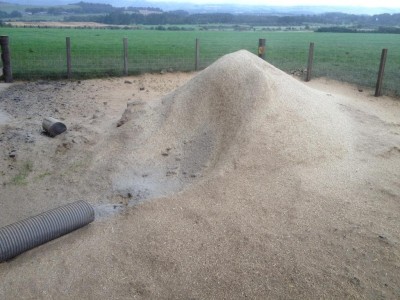 Where milling wheat is concerned, the available premiums may make the effort to achieve the necessary specification even more worthwhile.
Although none of these methods clean to a predetermined standard they can be used to lift bushel weight to a level which does not incur penalties. This year improvements of 6 or 7kg/hal have been commonplace.
To receive email updates on new blog content just click here
15 October 2012 Stewart McArthur News Tags: Bushel weight, dust control, farmers weekly, Aspirator, Crop cleaning